Digital Fairness Act
Proposed EU legislation targeting unfair digital commercial practices, cited in FIFA ticketing complaint.
Last refreshed: 19 April 2026 · Appears in 2 active topics
Can MEPs use FIFA's pricing scandal to embed a live-event pricing ban in the Digital Fairness Act?
Timeline for Digital Fairness Act
Mentioned in: DG COMP's 23 April acknowledgement clock
2026 FIFA World CupMentioned in: FIFA reveals stealth premium tiers after 'final' sales
2026 FIFA World Cup24 MEPs name Digital Fairness Act
2026 FIFA World CupBrussels fines Apple, Meta, and X €820m
European Tech SovereigntyEC opens DMA cloud probes against AWS and Azure
European Tech SovereigntyBackground
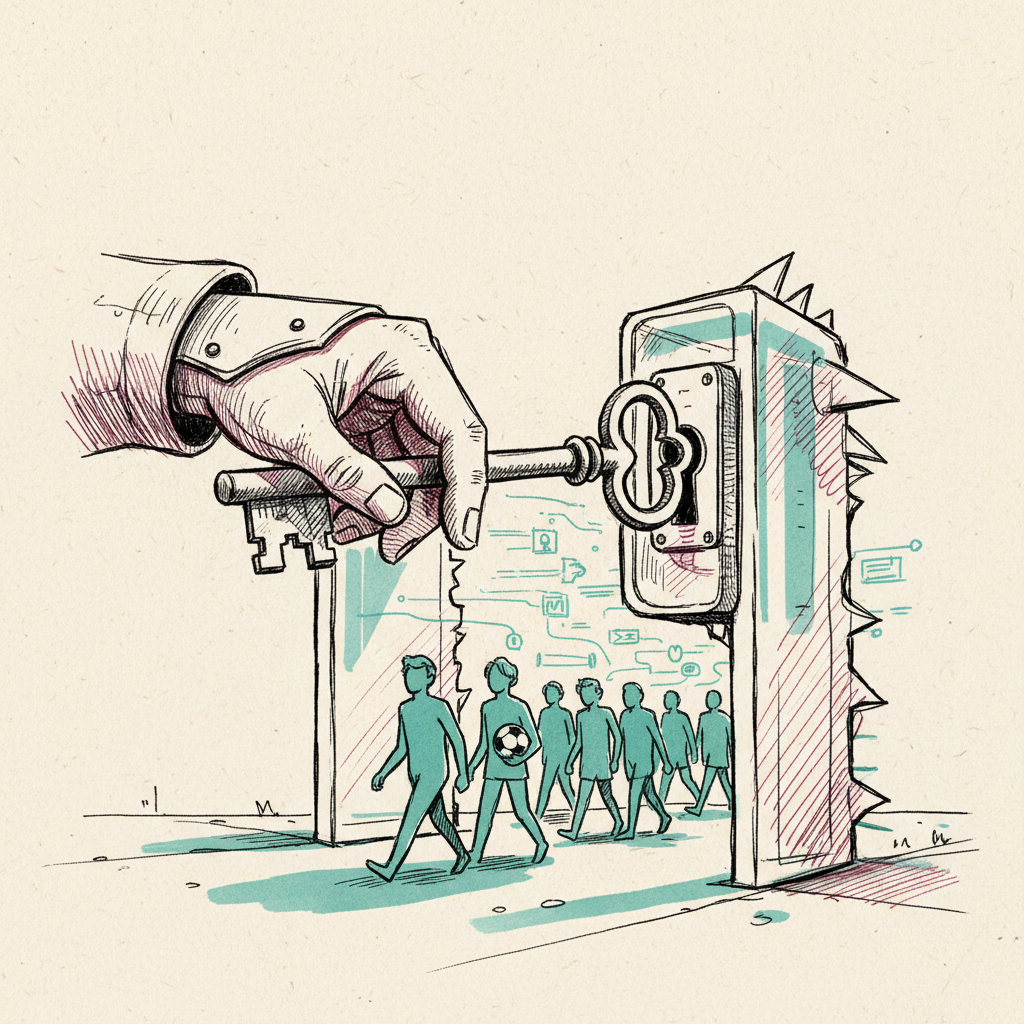
The Digital Fairness Act is a proposed European Union regulation aimed at extending consumer protection into digital commerce, targeting dark patterns, hidden fees, subscription traps, and opaque algorithmic pricing. As of April 2026 the Act was still in legislative preparation, having been delayed from its originally anticipated 2024 timetable. It has now been drawn explicitly into the 2026 FIFA World Cup ticketing controversy: 24 MEPs led by Brando Benifei submitted written question E-001336/2026 to the European Commission on 31 March 2026, asking whether the Act should include a statutory ban on Dynamic pricing for live events specifically in response to FIFA's practices.
The Act would build on the Digital Services Act and Digital Markets Act framework already in force, extending its reach to consumer-facing deceptive design specifically in ticketing, subscriptions, and platform commerce. Its delayed timeline means it cannot provide a remedy for the 2026 tournament — but the Benifei question is framing it as a structural fix to prevent recurrence. The European Commission was required to acknowledge the FSE/Euroconsumers Article 102 complaint by 23 April 2026, but no case number had been registered as of 19 April.
The World Cup intervention has accelerated MEP attention to the Act. By naming it in a formal parliamentary question, the 24 signatories are creating a legislative record that the Commission will need to address in the Digital Fairness Act's own consultation process, regardless of the outcome of the Article 102 complaint. This is how EU legislative agenda-setting often works: a high-profile case crystallises a broader Reform.
What is the EU Digital Fairness Act?
Why was the Digital Fairness Act mentioned in the FIFA ticket complaint?
Written with AI from Lowdown's published reporting. Not individually reviewed by an editor. Updated 19 April 2026. Editorial standards.