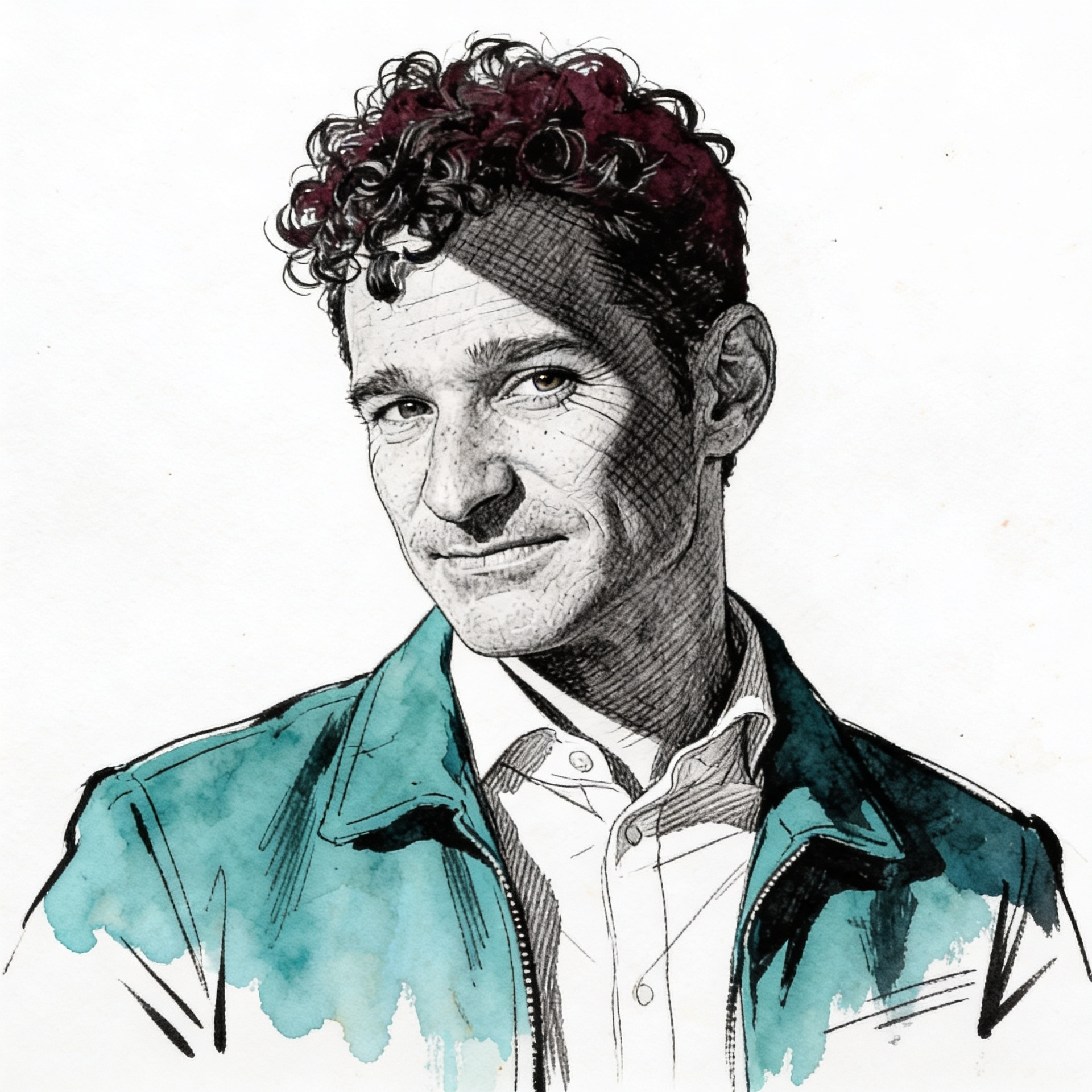
Spencer survived Ebola in NYC; what does he say the US has lost since 2018?
Timeline for Craig Spencer
Reported USAID outbreak-response unit no longer exists in operational form
Pandemics and Biosecurity: USAID outbreak unit gone by PHEICBackground
Craig Spencer is an emergency medicine physician and global health specialist, now faculty at the Brown University School of Public Health. He deployed to Guinea with MSF (Médecins Sans Frontières) during the 2014-16 West Africa Ebola outbreak and returned to New York City in October 2014, where he tested positive for Ebola. He was treated at Bellevue Hospital NYC and survived — one of the few people alive WHO has both treated large numbers of Ebola patients in West Africa and recovered from the disease himself. His case triggered an intense and politically charged US quarantine debate, with New Jersey governor Chris Christie and New York governor Andrew Cuomo competing to impose stricter measures than CDC recommended.
On 15 May 2026, Spencer joined the infectious-disease specialist panel discussing the Bundibugyo PHEIC and delivered the most consequential US-capacity assessment of the session: the USAID outbreak-response unit of approximately 60 staff, including around 10 Ebola specialists, no longer exists in any operational form. In 2018, that unit ran contact-tracing convoys out of Mbandaka, ferried Ervebo doses to Iboko, and underwrote nine of every ten dollars spent on the Equateur response that contained the outbreak to 54 cases in three months. Spencer's testimony that the unit is gone converts what might be read as bureaucratic restructuring into a direct comparison with what that capacity achieved.
Spencer has been a prominent public communicator on outbreak preparedness and the risks of political interference in public health response. His 2014 case makes him one of the very few voices WHO can speak to both the clinical reality of Ebola treatment and the survivor's perspective on access to experimental therapies; during the panel he noted that ZMapp, which was available to him as a white American clinician, was unavailable to Congolese patients despite the key neutralising antibody being derived from a Congolese survivor's blood.