Contingency Collapsible Urinals
Orion backup urine device; crew used it when the main toilet vent iced over on Day 4.
Last refreshed: 5 April 2026
Why did the Artemis II crew need a backup urine bag when Orion has a proper toilet?
Timeline for Contingency Collapsible Urinals
Mentioned in: Orion's Toilet Fails a Third Way in Five Days
Artemis II Moon MissionBackground
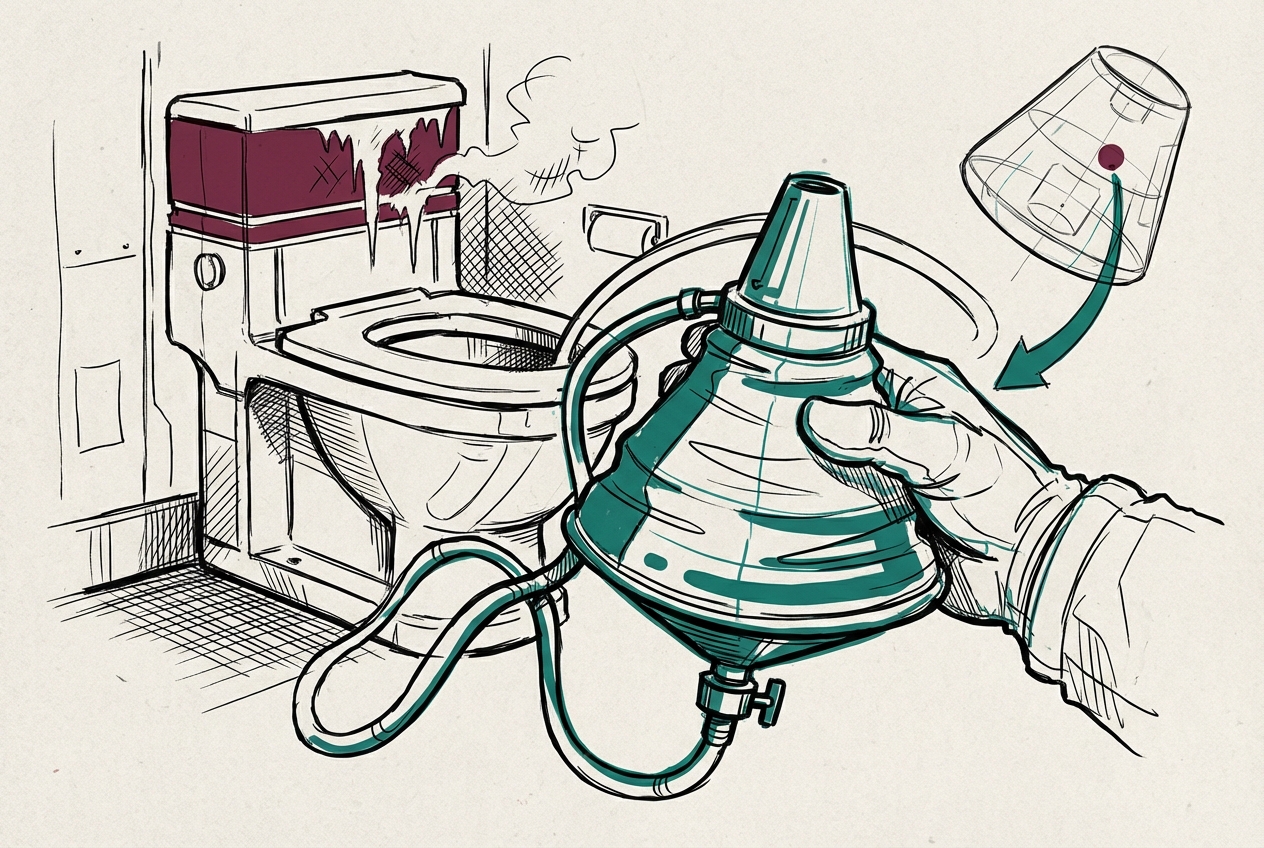
The Contingency Collapsible Urinals (CCUs) became the Artemis II crew’s primary waste solution on the morning of Day 4 after a suspected ICE blockage seized the Orion spacecraft’s wastewater vent system. Flight controllers reoriented the spacecraft to let sunlight thaw the pipe; the crew reverted to CCUs until the line cleared by early afternoon on 4 April 2026.
CCUs are disposable, folding funnel-and-bag devices carried on crewed spacecraft as a backup to the primary Waste Collection System. They do not require power or plumbing and can be sealed and stowed. A predecessor device was used on the Space Shuttle during emergency situations. The Orion WCS has now experienced three distinct anomalies in five days: a fan failure, a separate vent fault, and the ICE blockage that triggered CCU use.
The recurrence of Orion toilet faults highlights a design constraint in long-duration crewed capsules: waste management on a week-long mission profile is significantly harder to make reliable than on an orbital station with sustained maintenance access.