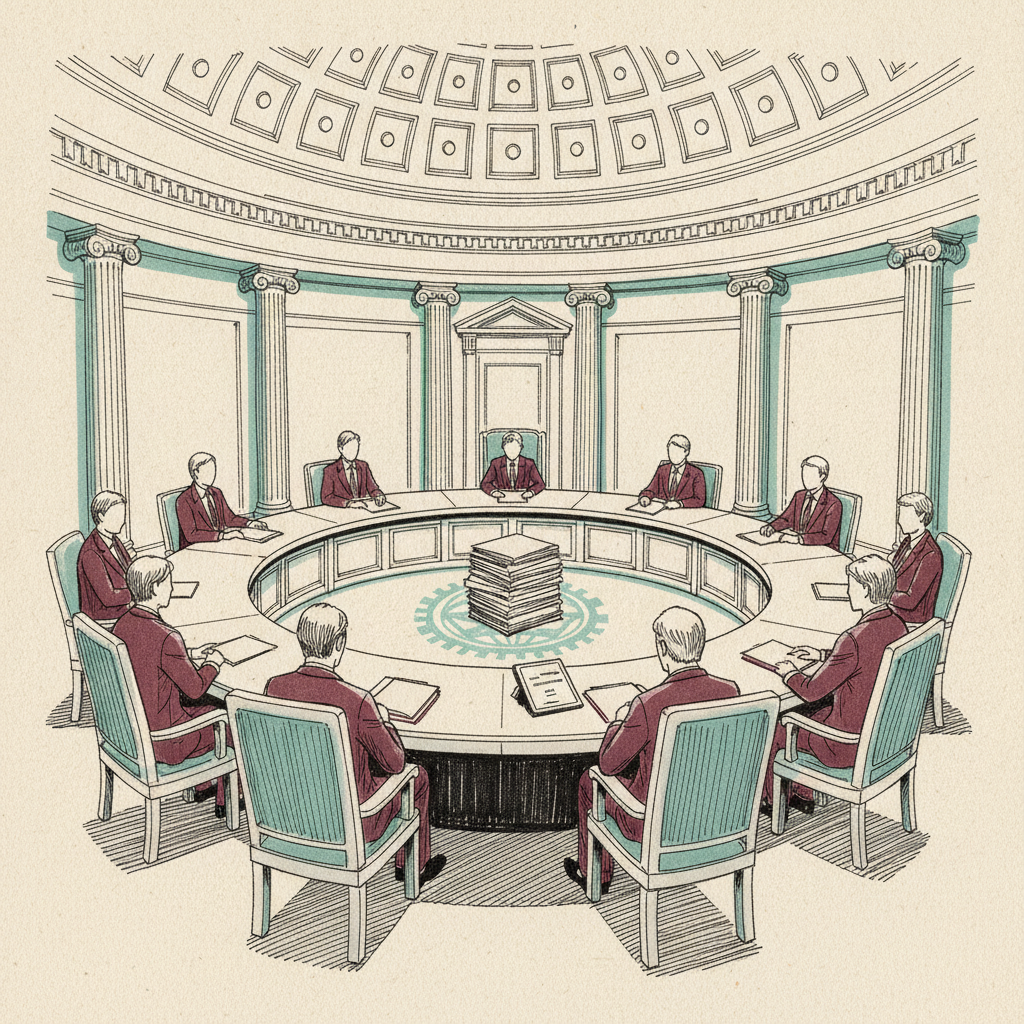
CFIUS
U.S. Treasury-chaired interagency body that reviews foreign acquisitions for national-security risks.
On 19 May, Autel Robotics invoked CFIUS precedent while challenging the FCC's use of secret evidence against it. The case tests whether a foreign-investment review model can be used against firms already selling in the United States.
Last refreshed: 1 October 2026 · Appears in 1 active topic
Is the CFIUS classified-evidence model legally sound now that it is being copied by the FCC?
Timeline for CFIUS
Mentioned in: CBP caps duty on allied-made drones
Drones: Industry & DefenceMentioned in: FCC weighs Gulf stakes in Paramount deal
Media's AI PivotMentioned in: Autel takes FCC to court over secret evidence
Drones: Industry & DefenceMentioned in: Transformer waits stretch to four years
Data Centres: Boom and BacklashBackground
CFIUS is the United States government's interagency body for reviewing foreign investments in US businesses where national-security risks may arise. The Treasury Secretary chairs the committee, which draws on intelligence assessments when considering transactions.
Its authority comes from Section 721 of the Defence Production Act of 1950. The Foreign Investment Risk Review Modernization Act expanded its REMIT to some non-controlling investments in critical technology, critical infrastructure and sensitive-data businesses, as well as property near sensitive government facilities.
CFIUS matters because it joins investment policy to security policy before an acquisition is completed. Its handling of classified material also gives it wider importance: technology regulators considering restrictions on foreign-linked firms now face questions about how much evidence affected companies must be allowed to see.
CFIUS procedures face scrutiny
On 19 May, Autel Robotics cited a 2014 ruling involving CFIUS when it challenged the FCC's use of classified evidence to place the company on a restricted-drone list. Autel said it had not received an unclassified account of the case against it.
For CFIUS, the dispute brings attention to a process built for national-security review of foreign investment. The legal question becomes sharper when regulators apply comparable evidence practices to companies already operating in the United States. A ruling for Autel could require the FCC to disclose a non-classified justification and expose the procedural limits of the model associated with CFIUS.
What does CFIUS actually do and who runs it?
How did FIRRMA change CFIUS powers in 2018?
Why can CFIUS keep its evidence secret from the companies it investigates?

