Cerca Magnetics
Nottingham company making a wearable brain scanner.
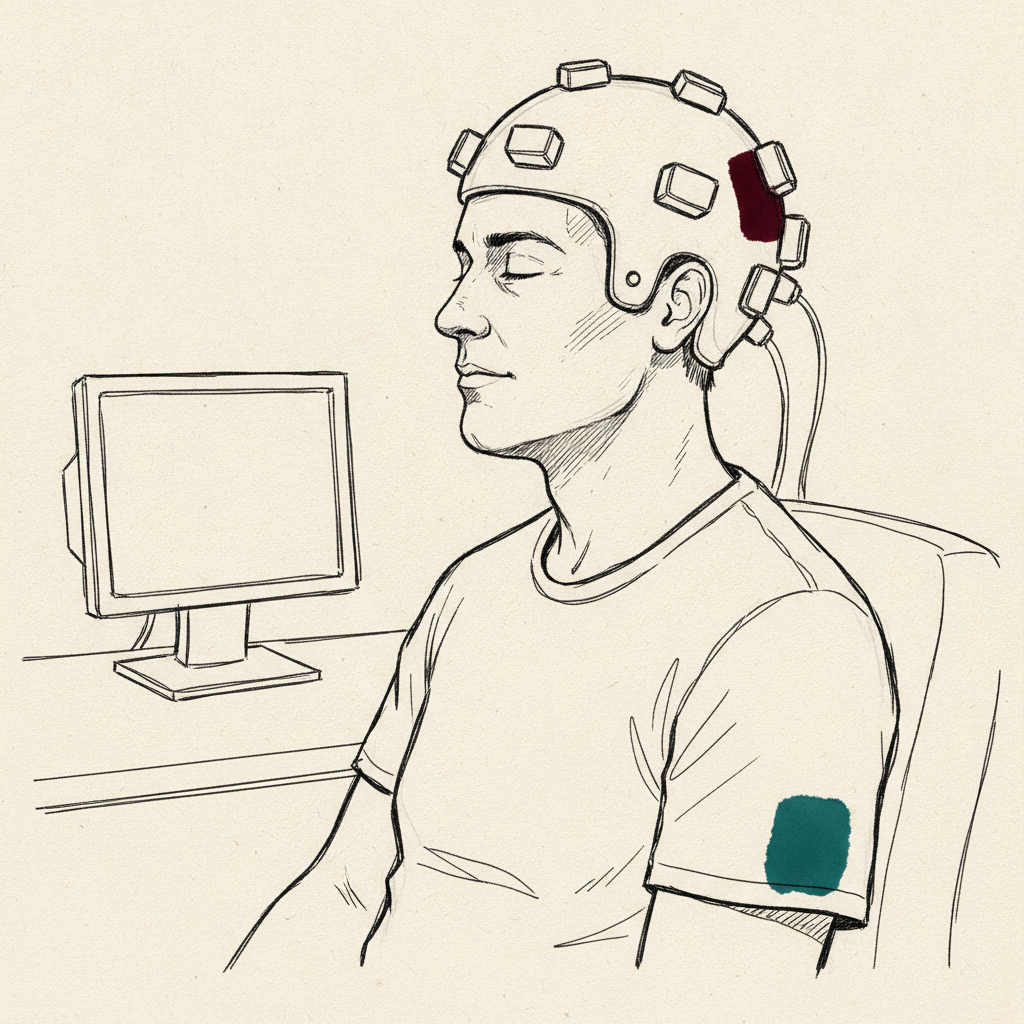
Cerca Magnetics measures brain activity with sensors worn in an adaptable helmet. Its Nottingham team develops research scanners for people of different ages and head sizes.
Last refreshed: 22 October 2026 · Appears in 1 active topic
Timeline for Cerca Magnetics
Won a quantum sensing award
UK Startups and Innovation: UKRI grants £50m to quantum firms; MPs urge equityBackground
Cerca Magnetics develops wearable systems for magnetoencephalography, usually shortened to MEG. This technique detects the tiny magnetic fields produced by electrical activity in the brain. The Nottingham company's scanner places optically pumped magnetometers in a helmet, bringing the sensors together in an array that follows the wearer's head. Adaptable helmets accommodate babies, children and adults. [Cerca Magnetics](https://www.cercamagnetics.com/)
Magnetic shielding forms another part of the system. Cerca combines field detectors, shielding and system integration to support measurements of changing brain activity. Its equipment is designed for neuroscience research, including investigations of neurological and psychiatric conditions. The company identifies the scanner as a research system without medical or regulatory approval. Its clinical ambitions therefore remain distinct from an approved diagnostic product. [Cerca technology](https://www.cercamagnetics.com/)
What does Cerca Magnetics' scanner measure?
How is Cerca's scanner worn?
What clinical use does the funded Cerca project target?

Written with AI from Lowdown's published reporting. Not individually reviewed by an editor. Updated 22 October 2026. Editorial standards.