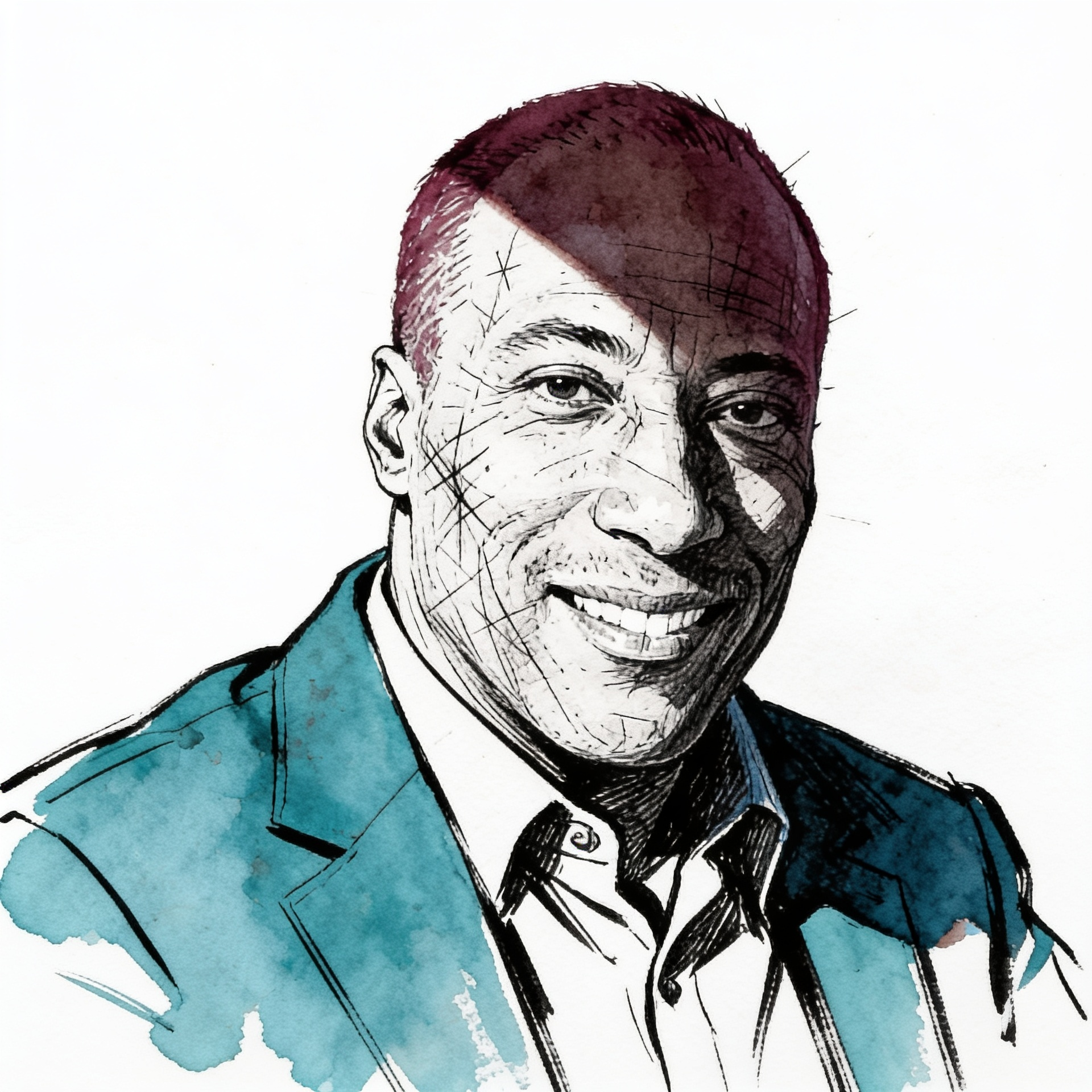
Byron Allen
Billionaire founder of Allen Media Group; acquired BuzzFeed for $120m in May 2026.
Last refreshed: 28 June 2026 · Appears in 1 active topic
Why did a broadcast TV billionaire spend $120m rescuing a struggling digital publisher?
Timeline for Byron Allen
Mentioned in: BuzzFeed files its AI pivot as a risk
Media's AI PivotMentioned in: Penske folds Vox titles into PMX
Media's AI PivotMentioned in: Publisher AI adoption hits 93% in Q4 2025
Media's AI PivotAcquired 52% majority stake in BuzzFeed Inc for $120m via Allen Family Digital LLC
Media's AI Pivot: Allen buys BuzzFeed for the AI betBackground
Byron Allen struck one of the boldest bets in digital media on 11 May 2026, agreeing to buy a 52% controlling stake in BuzzFeed for $120 million through his family office, Allen Family Digital LLC, and installing himself as chairman and CEO. The deal — structured as $20m cash at close and a five-year promissory note at 5% interest — gives Allen control of BuzzFeed and HuffPost with a stated aim of expanding into free-streaming video, audio and user-generated content, repositioning the assets around AI-native publishing.
Allen built his media empire from scratch after a career as a stand-up comedian and NBC co-host in the early 1980s. He founded what became Allen Media Group in 1993 and weathered years of near-bankruptcy before transforming the business into a diversified broadcasting group valued at over $4.5 billion by 2022. His acquisitions include The Weather Channel (2018) and 36 local broadcast affiliates across ABC, NBC, CBS and FOX. He has become one of America's wealthiest Black media executives, with a net worth estimated above $1 billion.
The BuzzFeed acquisition extends Allen's pattern of buying distressed digital brands at deep discounts and betting on distribution advantages to revive them. His control of a large affiliate station group gives BuzzFeed and HuffPost immediate local broadcast access that purely digital-native rivals cannot replicate. The move signals that the next phase of the digital-media shakeout will be driven by broadcast incumbents absorbing digital wreckage.
How did Byron Allen build his media empire?
Why did Byron Allen buy BuzzFeed?
How much did Byron Allen pay for BuzzFeed?
What is Allen Media Group and what does it own?
