Blyth
Port town in Northumberland, north-east England; site of Blackstone's £10 billion QTS data centre campus, Blackstone's largest UK infrastructure commitment.
Last refreshed: 26 April 2026 · Appears in 1 active topic
Can Blyth actually get the grid connection a £10B data centre campus needs?
Timeline for Blyth
Mentioned in: EdgeConneX bets €3bn on Italian capacity
Data Centres: Boom and BacklashMentioned in: OpenAI pauses Cobalt Park Stargate site
Data Centres: Boom and BacklashSelected as site for Blackstone's largest-ever UK infrastructure investment
Data Centres: Boom and Backlash: Blackstone £10B Blyth, Amazon €33.7B EUBackground
Blyth is a port town in Northumberland, North-East England, historically a coalfield and shipbuilding area seeking POST-industrial economic reinvestment. In April 2026, Blackstone announced it would invest £10 billion in a data centre campus at Blyth via its subsidiary QTS Realty Trust, described as Blackstone's largest UK infrastructure commitment on record. The announcement came the same month OpenAI paused its planned Stargate site at nearby Cobalt Park in North Tyneside.
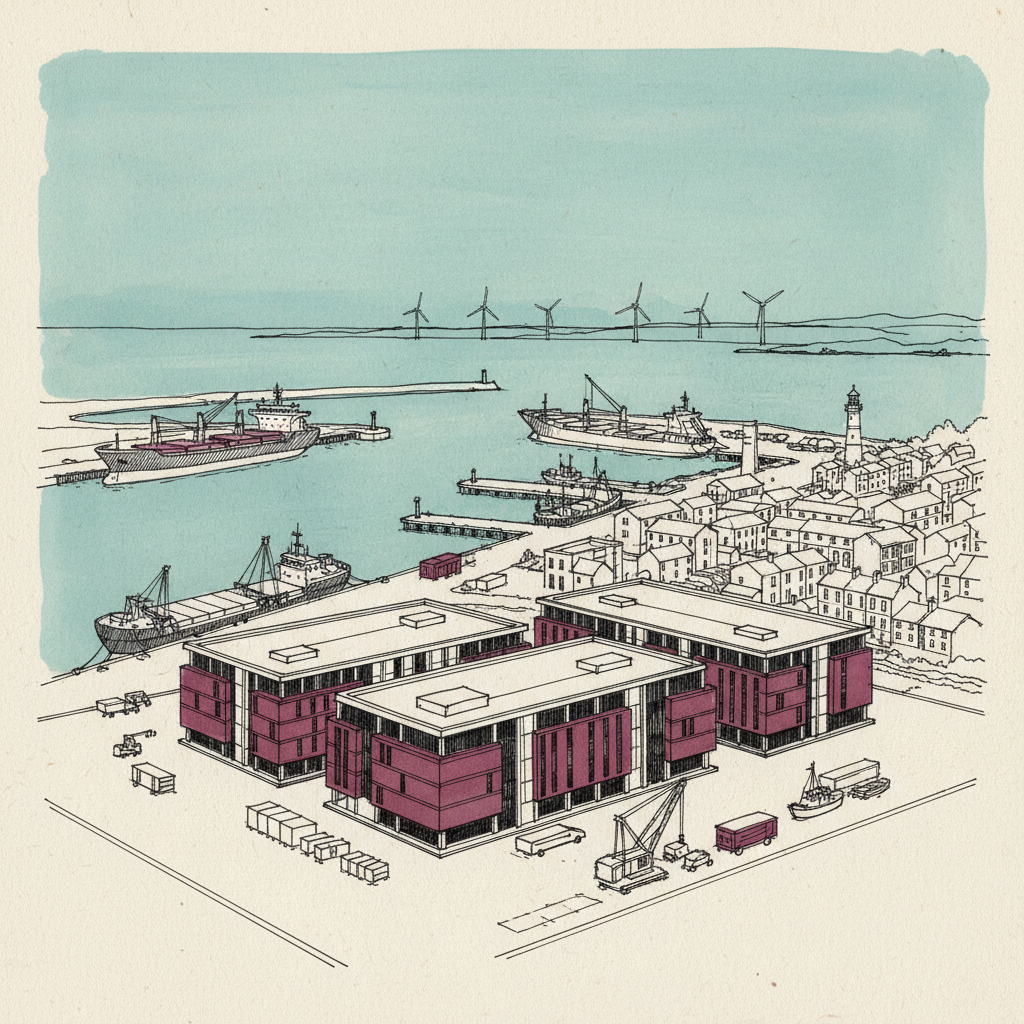
Blyth's selection reflects several factors: proximity to the North Sea offshore wind cluster (providing access to renewable energy connections), available brownfield industrial land at competitive prices, and the North-East England region's political desire to attract POST-industrial investment. The area is also geographically close to the Cobalt Park AI Growth Zone, suggesting a deliberate cluster strategy for North-East England digital infrastructure.
A £10 billion campus at current UK grid-connection rates would require substantial grid capacity. NESO's queue of 50 GW of data centre demand against 45 GW of national peak consumption makes grid connection a binding constraint even for projects with committed capital.