BioFire
bioMérieux subsidiary making multiplex PCR diagnostic panels including Global Fever for tropical pathogens.
Last refreshed: 28 July 2026 · Appears in 1 active topic
Houston has a BioFire panel that can test for Bundibugyo; what happens after a positive result with no federal CDC partner?
Timeline for BioFire
Listed Bundibugyo ebolavirus in FIFA26 Special Pathogens Panel for Houston reference laboratory
Pandemics and Biosecurity: Houston ready for Bundibugyo, no CDCBackground
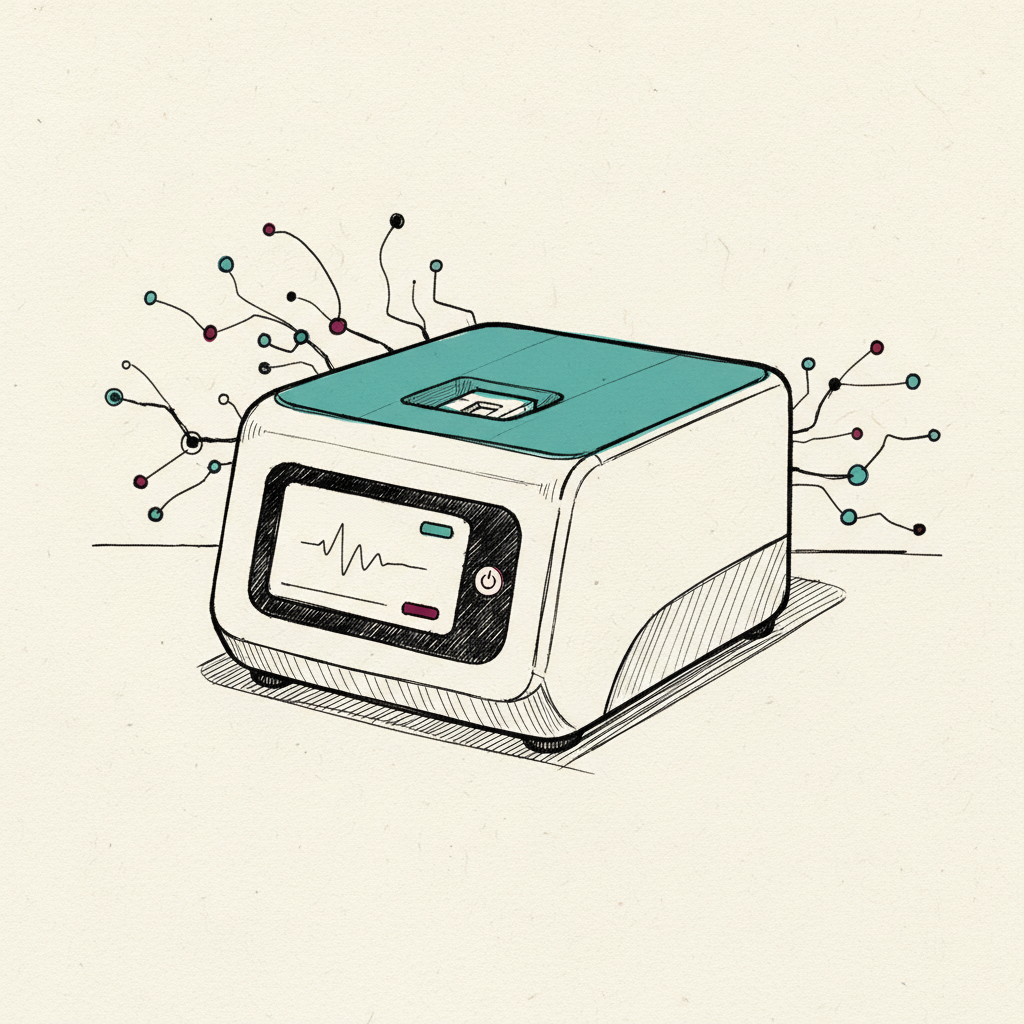
BioFire Diagnostics is a subsidiary of bioMérieux, the French in-vitro diagnostics company. Founded in Salt Lake City, Utah, and acquired by bioMérieux in 2014, BioFire develops the FilmArray multiplex PCR platform — a fully integrated system that processes a single patient sample through dozens of simultaneous PCR reactions to detect multiple pathogens in approximately one hour. The platform covers respiratory viruses, bloodstream infections, gastrointestinal pathogens, meningitis/encephalitis, and — directly relevant to the current outbreak — tropical and haemorrhagic fever pathogens.
For the Bundibugyo PHEIC, BioFire's significance is the Global Fever Special Pathogens Panel that the Houston Health Department has listed as its regional reference assay for FIFA26 preparedness. The panel explicitly names Bundibugyo ebolavirus alongside Zaire, Sudan, Reston and Tai Forest species, Marburg, Lassa, dengue, chikungunya and malaria. This makes the Houston 17-county reference laboratory one of the few US sites with a currently deployed, FDA-cleared instrument capable of confirming Bundibugyo on the same day a sample arrives.
The diagnostic window matters in the context of the FIFA26 scenario: in 2014, the Dallas presumptive-Ebola case took approximately four hours from triage to the presumptive test result. The BioFire Global Fever panel operates on the same timescale. The platform's value is speed at the local level — it closes the hours-long gap between a febrile patient arriving from DRC and a confirmed or excluded haemorrhagic fever diagnosis. What it cannot substitute for is the federal-state coordination architecture that would normally govern how a confirmed positive case is escalated, isolated, and contact-traced.