Aviatik
German aircraft maker of the First World War
On 5 October 1914 a French Voisin armed with a machine gun shot down a German Aviatik, the first aircraft lost in air-to-air combat. In 2026 the same first came at SEA, when a Ukrainian SEA drone destroyed a Russian one.
Last refreshed: 7 October 2026
Timeline for Aviatik
Mentioned in: Ukrainian USV destroys a Russian USV
Autonomous Systems: Land & SeaBackground
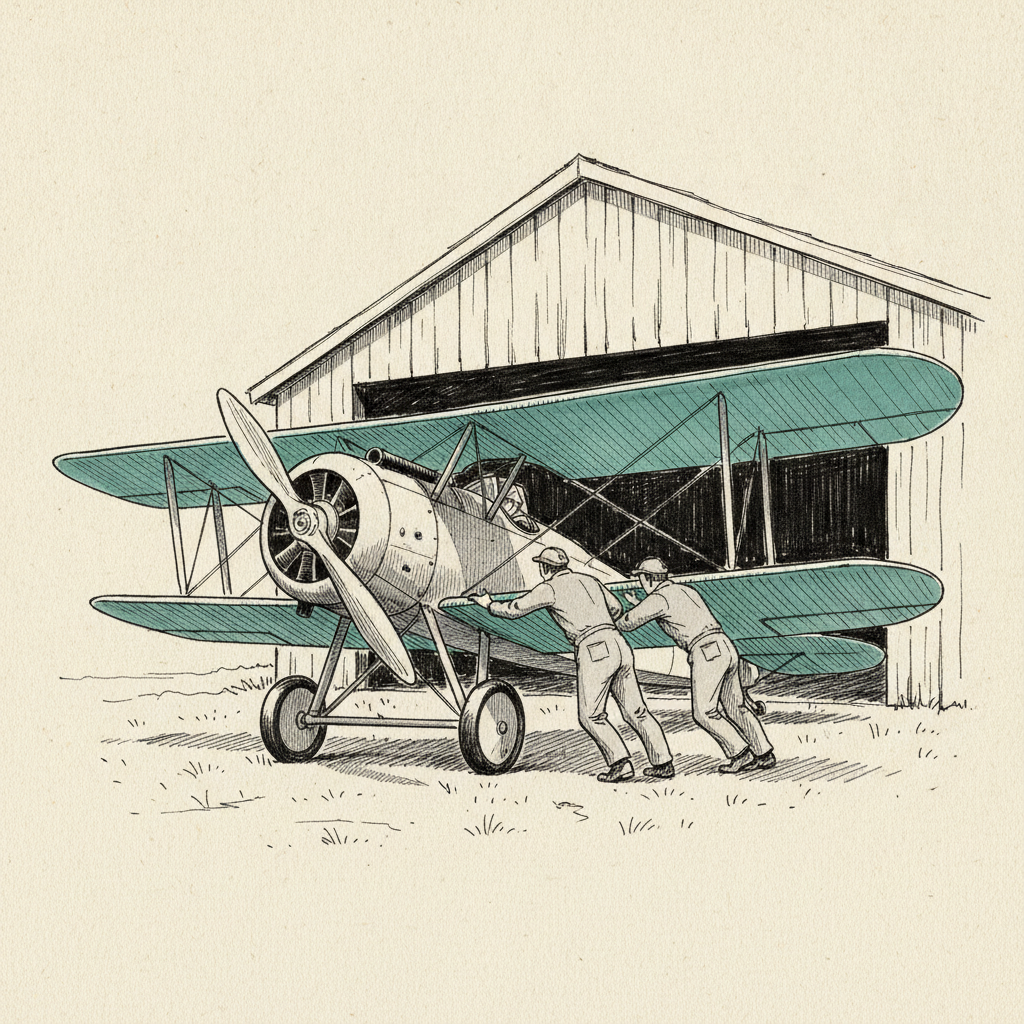
Aviatik was a German aircraft maker of the First World War, best remembered for one of its machines being the first shot down in air combat. On 5 October 1914 a French Voisin carrying a machine gun brought down an Aviatik two-seater. Until then, observation aircraft on both sides had flown largely unopposed.
The Alsatian Georges Chatel founded the company in December 1909 in Mülhausen, now Mulhouse in France. It moved to Freiburg in 1914 and to Leipzig-Heiterblick in 1916. Aviatik began by building French designs under licence, then from 1912 its own biplanes designed by Robert Wild. In the war it was known for reconnaissance types such as the B.I and B.II, and an Austro-Hungarian branch built fighters including the D.I. The company did not survive the 1919 Treaty of Versailles.
The 1914 loss marks the moment unarmed scouts began to meet armed opponents. UK Defence Intelligence described a similar first at SEA: on 12 September 2026 a gun-armed Ukrainian Sargan-3000 SEA drone destroyed a Russian explosive-carrying SEA drone in the Black Sea, almost certainly the first direct clash between the two countries' sea drones.