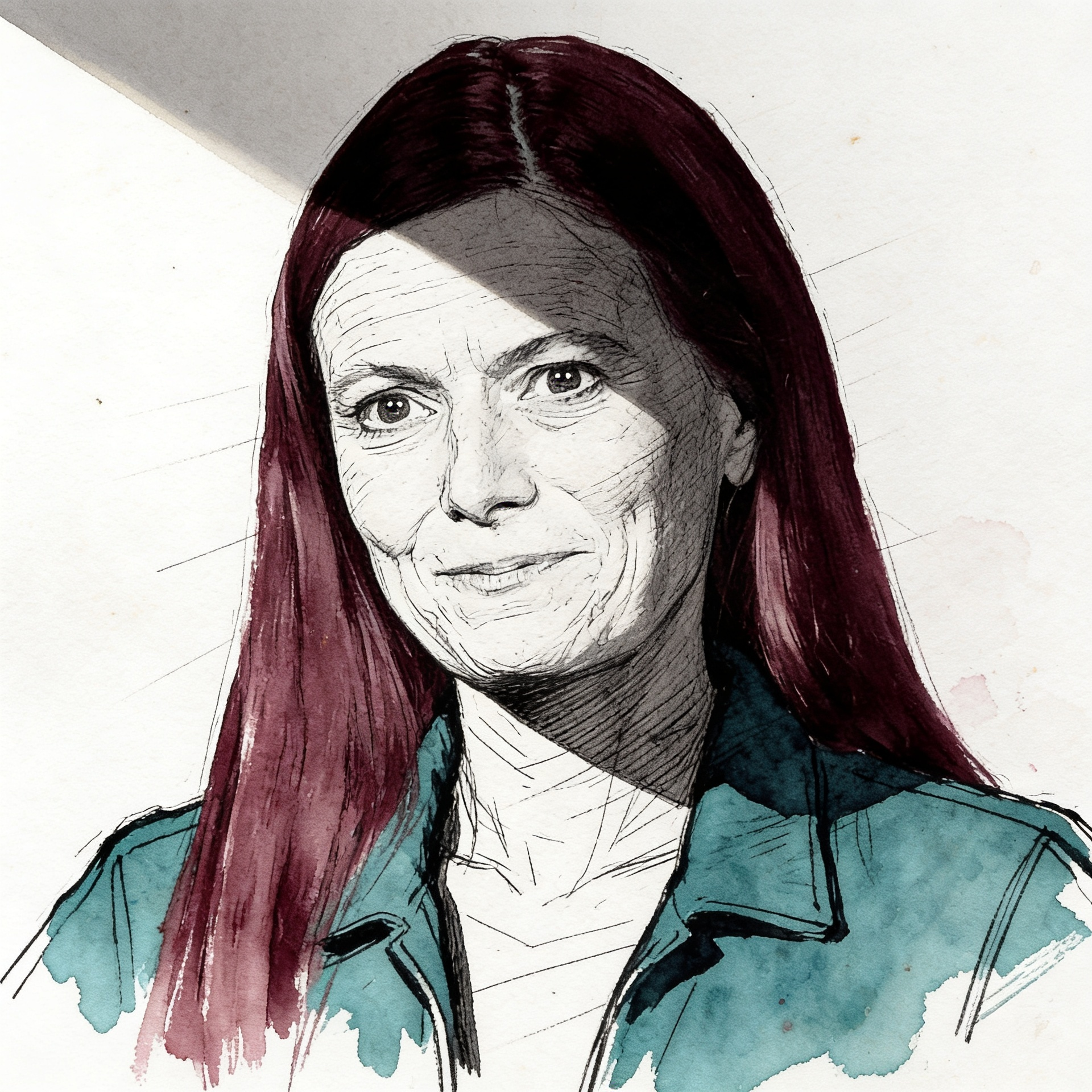
Amy Hood
Microsoft CFO since 2013; confirmed FY2027 headcount decline on May 2026 earnings call.
Last refreshed: 15 May 2026 · Appears in 1 active topic
When Microsoft's CFO says headcount will fall because of AI, which other tech CFOs will follow her script?
Timeline for Amy Hood
Confirmed headcount will shrink further in FY2027 alongside voluntary retirement charge disclosure
AI: Jobs, Power & Money: Microsoft's $900M retirement charge obscures 8,750 departuresBackground
Amy Hood is the Executive Vice President and Chief Financial Officer of Microsoft, a role she has held since 2013, making her one of the longest-serving CFOs of any major US technology company. She joined Microsoft in 2002 and rose through finance leadership roles across the Microsoft Office and Business Solutions divisions before becoming CFO under CEO Satya Nadella's tenure. Hood is widely credited as the financial architect of Microsoft's pivot from licensing to cloud subscription revenue, and has overseen the company's market capitalisation growth from under $300 billion to several trillion dollars over her tenure.
Hood is methodical and precise in her investor communications, rarely making offhand forward-looking statements. This makes her May 2026 earnings call confirmation that Microsoft expects a year-on-year headcount decline in FY2027 a notable signal: it was the clearest statement from a senior Microsoft executive that AI productivity tools are reducing the workforce needed to sustain the company's existing business at scale.
Her significance extends beyond Microsoft: as CFO of the world's most valuable company (by market cap in 2025), her public statements on AI and headcount inform how institutional investors interpret the entire sector's AI-productivity dividend.
On Microsoft's May 2026 earnings call, Hood confirmed that the company anticipates a year-on-year decline in headcount for FY2027, explicitly linking the reduction to AI productivity gains rather than cost pressure or business weakness. The statement followed disclosure of an approximately $900 million retirement charge related to hardware and product rationalisation that partially obscured the scale of workforce changes.
Hood's confirmation was notable for its directness: where other executives attributed cuts to 'restructuring for growth', Hood framed reduced headcount as an anticipated structural outcome of AI productivity embedded across Microsoft's product and engineering teams.