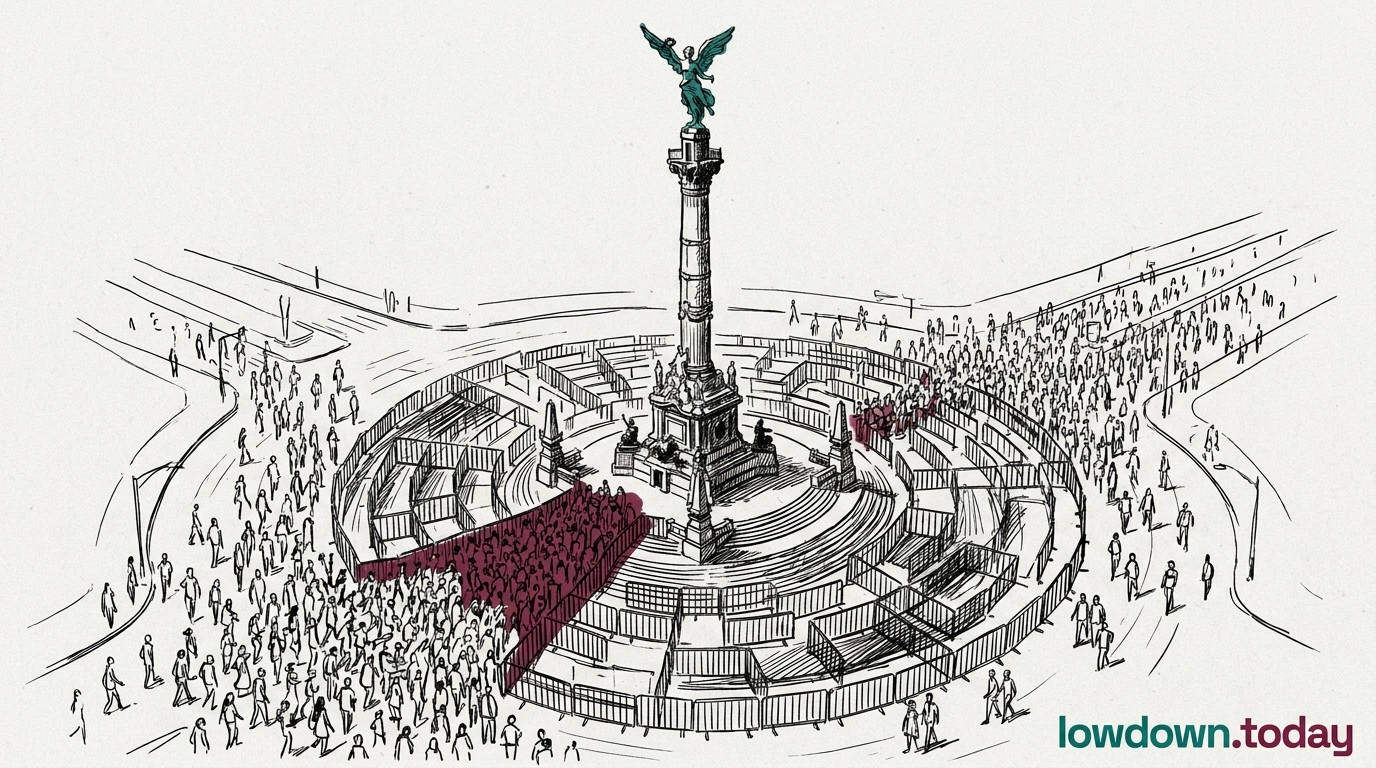
The 2026 World Cup group stage has produced 161 goals with more than 10 matches still to play, already past the 139-goal record set on 24 June, which had itself only just beaten 2014's mark of 1361. The Netherlands had scored the tournament's 100th goal on 20 June; the total is now on pace for 190 to 200, which would leave the record 40 to 50 per cent higher than the previous best.
The extra fixtures explain only part of the surge. The 48-team format, expanded from 32, runs 72 group games against the old 48, so a bigger calendar alone would lift the total2. Goals per game have also climbed, to roughly 3.0 from 2014's 2.83, which means the scoring rate itself has risen alongside the larger fixture list.
Two forces drive the higher rate. The larger field pits seeded sides against first-time qualifiers, widening the gap in quality within many groups. The format also keeps eight round-of-32 places open for the best third-placed finishers, ranked mostly by goal difference, so teams already qualified and teams already eliminated both keep attacking in games that change nothing on points. Both effects are built into the 48-team design, which is why the scoring has held up rather than tailing off as the groups concluded.




