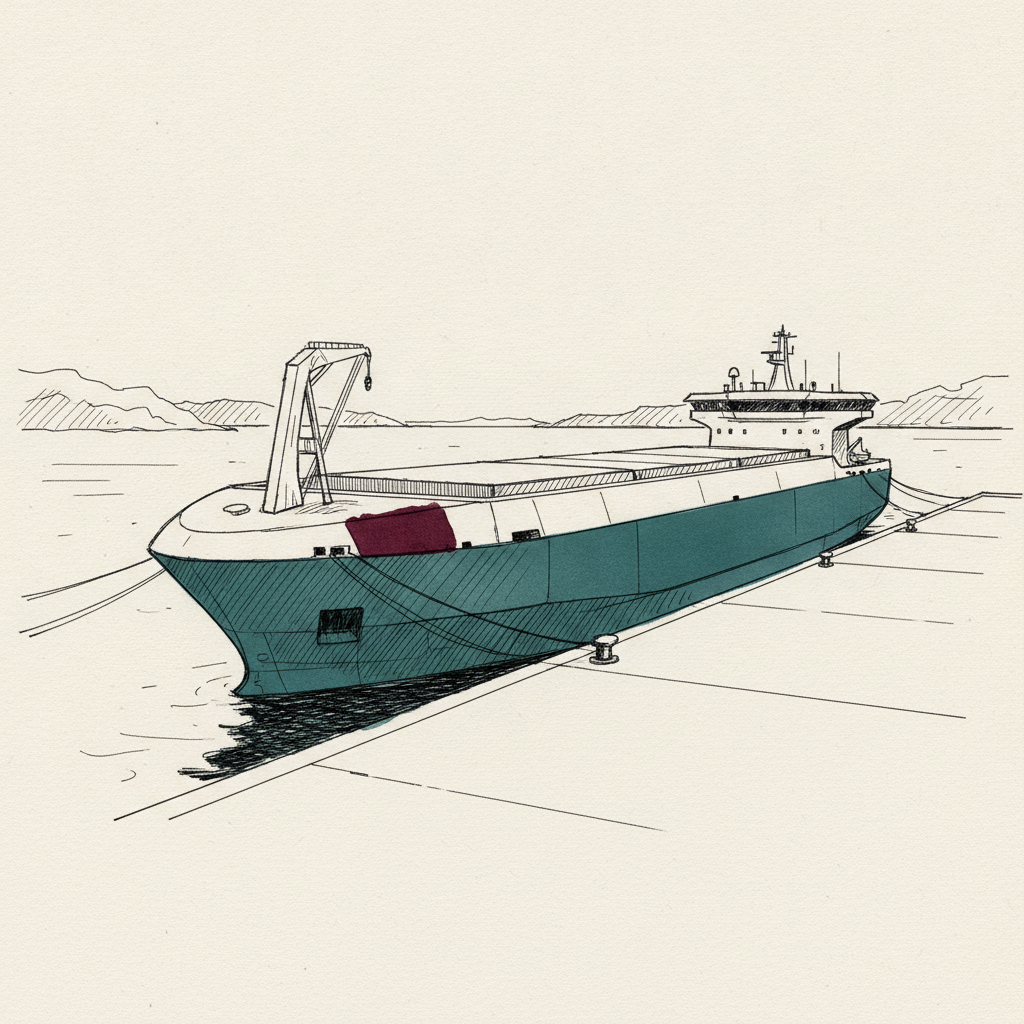
Yara Birkeland
Norwegian electric container ship built to sail without crew; in service since 2022.
Yara Birkeland entered commercial service in spring 2022 as a hull built to sail without crew, yet Yara said in April 2024 that three crew still sailed aboard to supervise it and mooring was still done by hand.
Last refreshed: 27 November 2026
Timeline for Yara Birkeland
Mentioned in: EACON claims 4,000 robot trucks in mines
Autonomous Systems: Land & SeaBackground
Norway's Yara Birkeland is an earlier test of the idea behind China's Turing, the remote-controlled electric container ship Qingdao approved for trials in November 2026. Turing carries 206 twenty-foot containers; the Norwegian ship, designed for the same crewless model, carries 120 and went into service with people still aboard.
The battery-electric ship moves Yara's fertiliser from its plant at Porsgrunn to the export port of Brevik in southern Norway. Registered as IMO 9865049, it is 80m long with a 6.8 MWh battery, and Kongsberg supplied its propulsion, batteries and control systems. It was christened in Brevik on 29 April 2022 and began commercial service that spring; Yara says it replaces about 40,000 diesel truck journeys a year.
Full autonomy has not arrived. In April 2024 Yara said three crew sailed aboard to supervise, mooring stayed manual and no rules yet existed for a vessel of its kind. A mandatory global framework is targeted from 1 January 2032, after the International Maritime Organization adopted its first, non-mandatory code for autonomous surface ships on 22 May 2026.
Reference
When did the Yara Birkeland enter service?
Where does the Yara Birkeland sail?
What is the Yara Birkeland's IMO number?
How many containers can the Yara Birkeland carry?
Is the Yara Birkeland really crewless?
Written with AI from Lowdown's published reporting. Not individually reviewed by an editor. Updated 27 November 2026. Editorial standards.