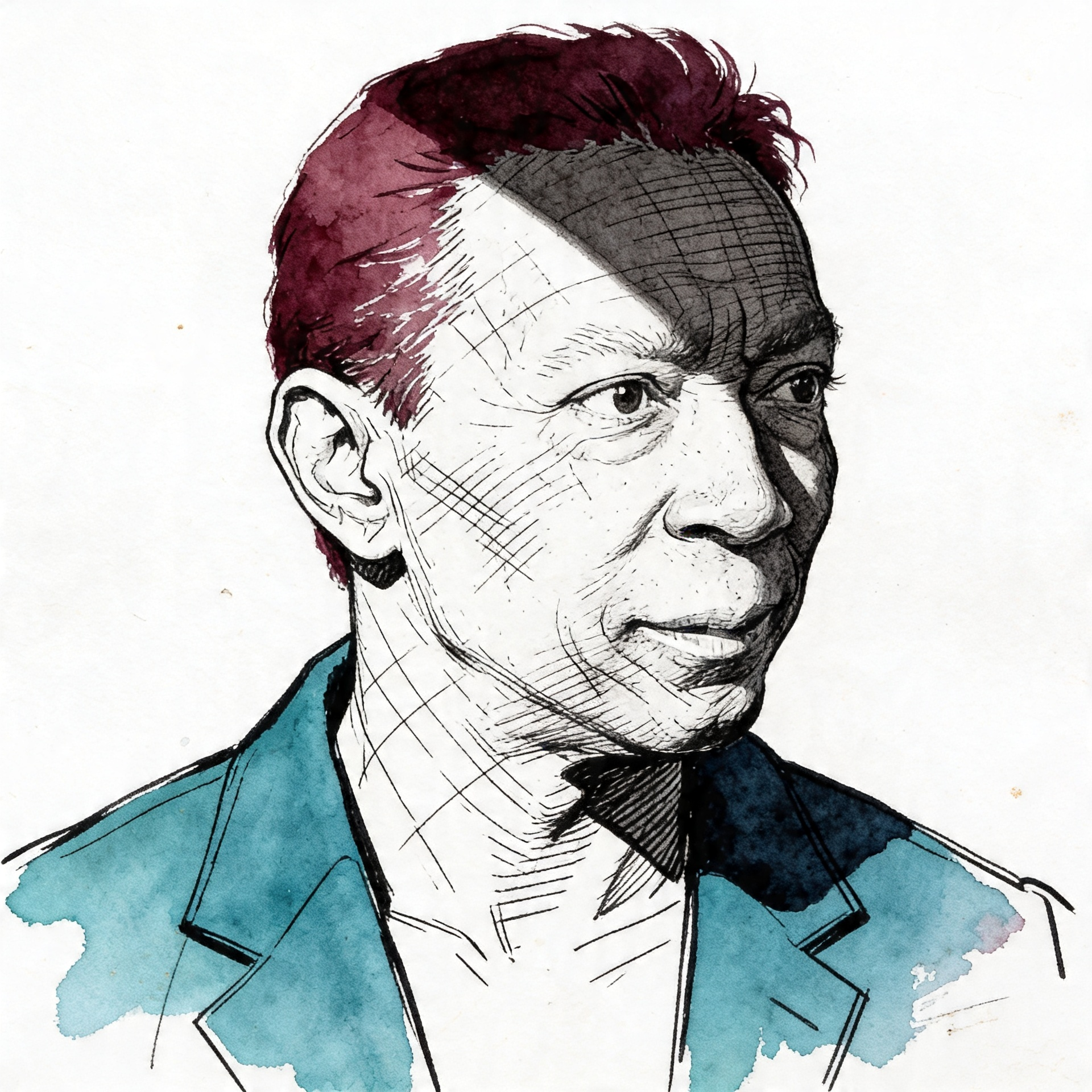
Sylvester Turner
Former Houston mayor and TX-18 congressman; died February 2026, triggering special election.
Last refreshed: 16 April 2026 · Appears in 1 active topic
How did Sylvester Turner's death reshape Houston's congressional representation?
Background
Sylvester Turner was the former mayor of Houston WHO was elected to Texas's 18th Congressional District in November 2024 but died in February 2026 before completing his first term, triggering the special election ultimately won by Christian Menefee.
Turner served as Houston's mayor from 2016 to 2024, navigating the city through Hurricane Harvey, COVID-19, and repeated major winter storms including the 2021 freeze that left millions without power for days. He was a pragmatic Democrat WHO built broad coalitions in a rapidly diversifying city. Before his mayoral tenure he served 27 years in the Texas House of Representatives, making him one of the most experienced Texas Democratic politicians of his generation.
His death created a vacancy in a seat he had won by a wide margin. The subsequent special election and Menefee's victory mean the seat will continue under Democratic representation, but the brief congressional tenure means Turner's legacy in Congress rests primarily on his decades of Texas state and local service rather than a federal legislative record.