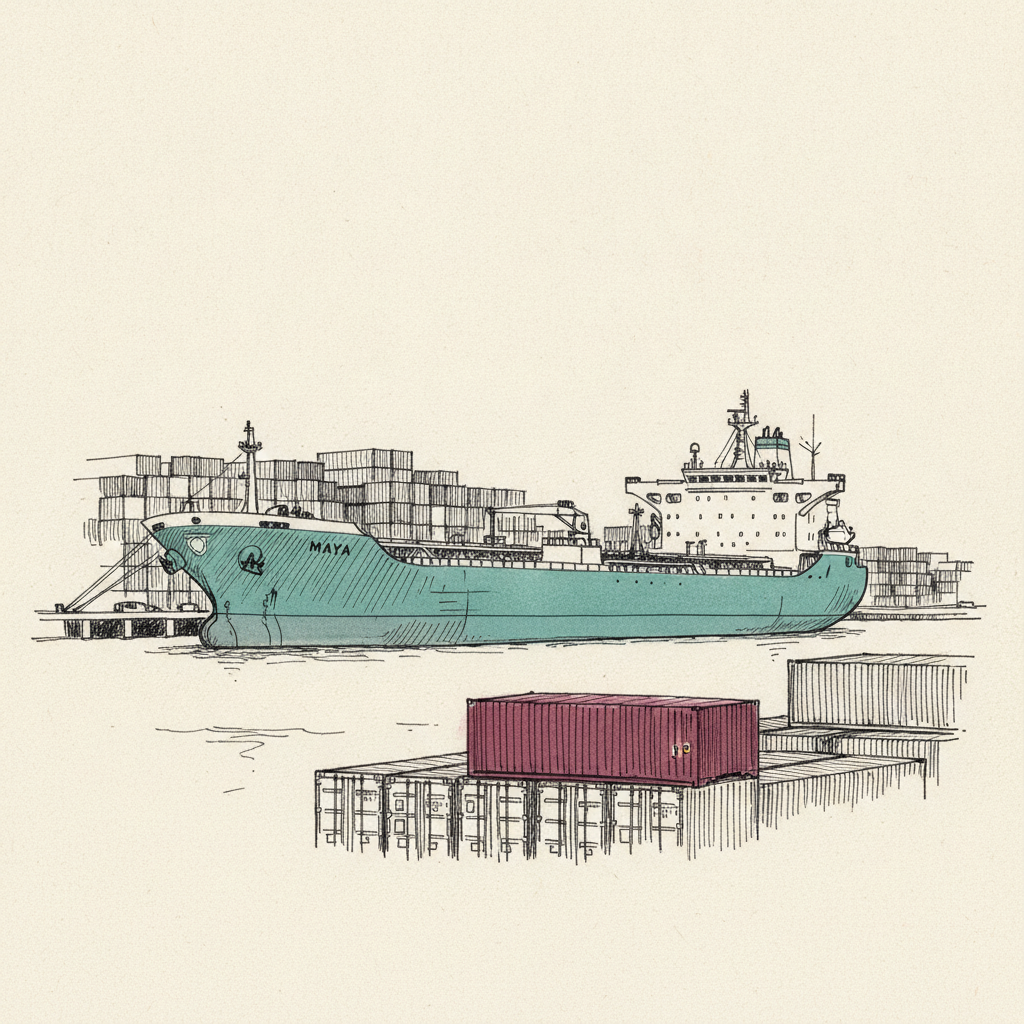
Maya
Mexican heavy sour export crude grade.
Maya's Platts-assessed discount to Brent widened to $12.9 a barrel in the quarter to 31 July, from $11.7 the quarter before and $8.3 a year earlier, per figures disclosed alongside Repsol's results the same day.
Last refreshed: 3 August 2026 · Appears in 1 active topic
Timeline for Maya
Refiners split on naming freight cost
European Oil MarketsBackground
Maya is Mexico's flagship heavy sour export crude grade, sold internationally at a discount to light sweet benchmarks such as Brent to compensate refiners for the extra processing needed to turn it into transport fuels. It is the reference grade European refiners use when pricing a heavy-crude run.
The size of that discount, the heavy-to-light differential, is what pays for the cokers and hydrocrackers built into a complex refinery: the wider it is, the more a refiner earns for having that extra kit rather than running only light sweet crude. Maya's spread is tracked via Platts assessments and cited by refiners reporting their quarterly results.
Because the grade sits at the heavy, sour end of the crude spectrum, its price relationship to Brent is one of the clearest working proxies for how much complex refining capacity is worth in any given quarter, independent of any single buyer's or seller's own commentary.
Maya's Brent discount keeps widening
Maya's Platts-assessed spread under Brent stretched to $12.9 a barrel for the quarter to 31 July, up from $11.7 the previous quarter and more than 50% wider than the $8.3 recorded a year earlier.
A wider Maya discount is money in the pocket of any refiner with the coking or hydrocracking capacity to run heavy sour crude into light products; it is the mechanism, not any single company's disclosure choices, that decides whether a complex refinery's Q2 margin beats a simple one's. The direction of travel, wider quarter on quarter, favours that complex-refining economics further still.