How did two empty Dutch gas storage sites leave the Netherlands with the lowest storage fill in the EU?
Timeline for Grijpskerk
Mentioned in: Netherlands fills at 13.9% on EBN alone
European Energy MarketsDepleted to structural zero by GasTerra ahead of NAM handover
European Energy Markets: Bergermeer carries Dutch injection load aloneBackground
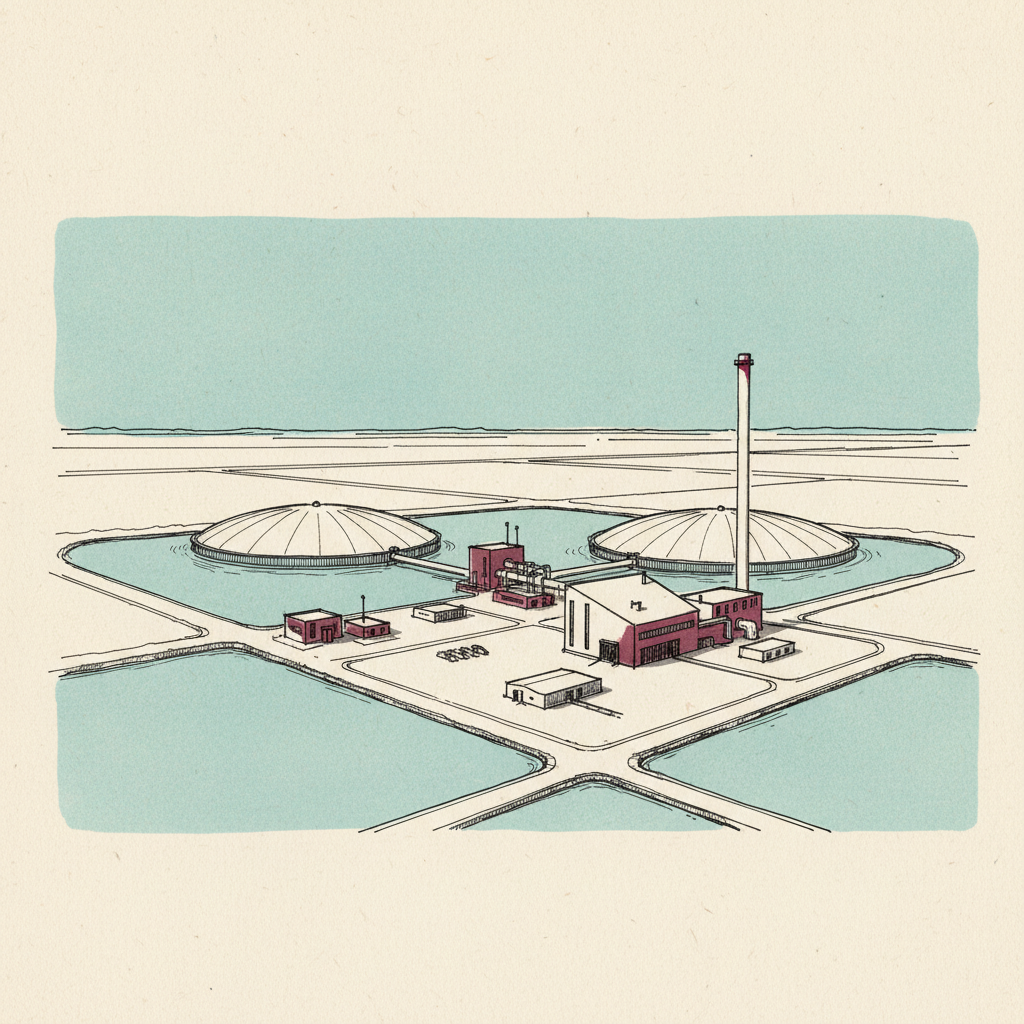
Grijpskerk is a Dutch underground gas storage facility located in Groningen province in the northern Netherlands, with a working volume of approximately 24 TWh. It operates as a depleted field storage facility, injecting gas into a former gas reservoir. Along with Norg, it forms part of the legacy Dutch gas infrastructure associated with the Groningen field closure process managed by NAM.
GasTerra depleted Grijpskerk to structural zero capacity ahead of the NAM handover on 1 April 2026, leaving the facility without carry-in gas at the start of the 2026/27 injection season. NAM formally assumed operational responsibility for Grijpskerk alongside Norg on that date. Together, the two depleted facilities represent 83 TWh of working volume that must be refilled from scratch during the 2026 injection season, adding to Dutch storage deficit and contributing to the Netherlands holding only 8.95% overall fill on 25 April, the lowest in the EU.
Grijpskerk's smaller working volume of 24 TWh relative to Norg's 59 TWh means it can refill faster, but it provides less seasonal buffer capacity. The combination of both facilities at zero carry-in, with Bergermeer as the sole Dutch site with meaningful carry-in, concentrates Dutch injection risk on a single large commercial facility at a time when broader EU storage is tracking below the 0.257 pp/day floor needed for 80% fill by 1 November.
