Draghi Report
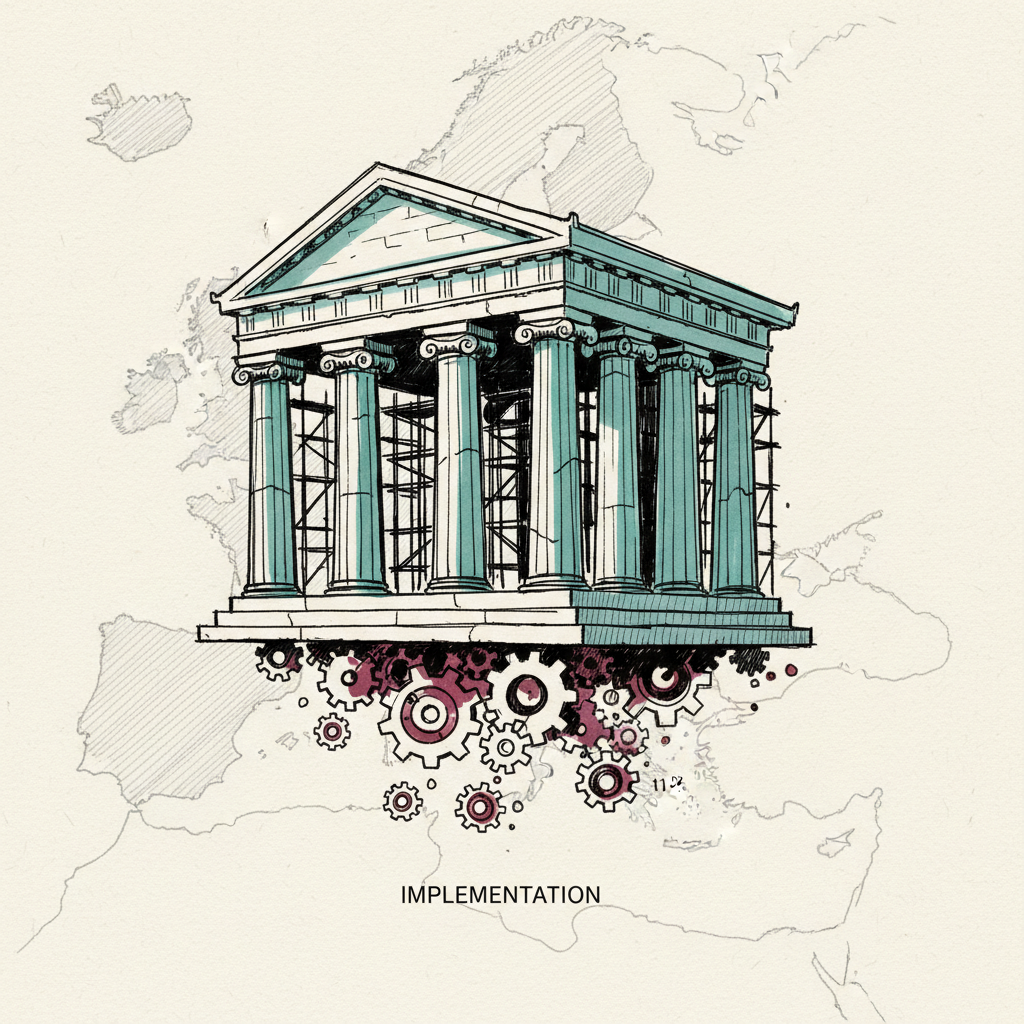
Former ECB president Mario Draghi's 2024 EU competitiveness report, now only 11% implemented.
Last refreshed: 13 April 2026 · Appears in 1 active topic
One year on, why has the Draghi Report's blueprint for Europe barely moved?
Timeline for Draghi Report
Mentioned in: ORG brands UK tech dependency a risk
European Tech SovereigntyDraghi report: 11% delivered after one year
European Tech SovereigntyBackground
The Draghi Report is the popular name for 'The Future of European Competitiveness', a comprehensive economic assessment commissioned by the European Commission and delivered by former ECB president and Italian Prime Minister Mario Draghi in September 2024. Running to nearly 400 pages, it argued that Europe faces an existential competitiveness crisis relative to the United States and China, and that closing the gap requires additional investment of at least €800 billion annually on top of existing EU budgets. Technology sovereignty, energy, and defence were identified as the three areas of greatest strategic vulnerability.
One year after publication, an Independent assessment found that only 11% of the report's recommendations had been substantively implemented by EU member states or the European Commission. The gap between the report's ambition and political reality reflects deep disagreements among EU governments about fiscal consolidation, industrial policy, and the appropriate role of the state in directing private investment. The report called for a European Competitiveness Fund, streamlined capital markets, and coordinated investment in AI and semiconductor infrastructure, all of which have stalled in negotiations.
The Draghi Report has become the defining reference document for the European tech sovereignty debate. Every major initiative, from the EU Chips Act to GAIA-X to the proposed Cloud and AI Development Act, is measured against its diagnosis. The report's low implementation rate is seized on by both critics (WHO argue EU institutions are incapable of the necessary structural reforms) and defenders (WHO argue 12 months is too short a timeframe for changes of this scale). Draghi himself has publicly expressed frustration at the pace of follow-through.
What did the Draghi Report say about European competitiveness?
Has the EU implemented the Draghi Report?
Who is Mario Draghi and what is his EU competitiveness report?


