Doctor Who
Long-running BBC Science-fiction drama.
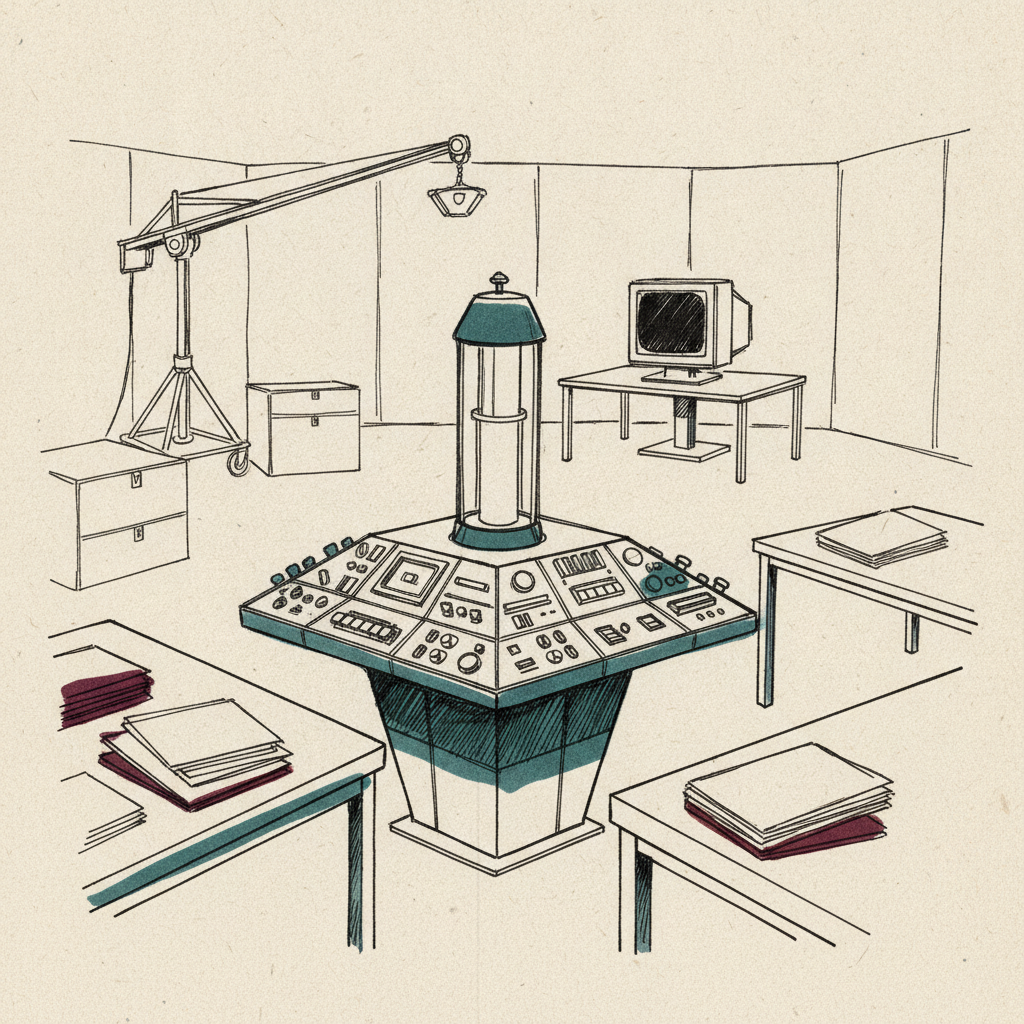
First broadcast on 23 November 1963, Doctor Who follows the Doctor’s journeys in the TARDIS. Regeneration allows the central character’s appearance and personality to change while retaining memories of earlier lives.
Last refreshed: 22 October 2026 · Appears in 1 active topic
Timeline for Doctor Who
Mentioned in: Korea's EBS remakes 11 classics with AI
Media's AI PivotBBC chief praises AI Doctor Who episode
Media's AI PivotBackground
Doctor Who is a BBC Science-fiction programme built around the Doctor’s travels through time and space. The TARDIS carries the Doctor on those journeys. The opening story, An Unearthly Child, introduced the Doctor through Susan Foreman and her teachers, Ian Chesterton and Barbara Wright. William Hartnell played the first Doctor when the programme began in 1963. [Official story guide](https://www.doctorwho.tv/stories/an-unearthly-child).
The programme uses regeneration to explain changes in the Doctor’s form. It enables the Doctor to take a new physical form, with changes in personality as well as appearance. Memories carry between incarnations, preserving the identity of the traveller across those changes. The combination of regeneration, companions and journeys in the TARDIS gives the drama continuity across different characters and settings. [Official regeneration guide](https://www.doctorwho.tv/news-and-features/what-is-regeneration).
Why is Doctor Who part of the BBC’s AI debate?
When did Doctor Who first appear on television?
What is the TARDIS in Doctor Who?








Written with AI from Lowdown's published reporting. Not individually reviewed by an editor. Updated 22 October 2026. Editorial standards.