Is Canggu safe for digital nomads in 2026 after the immigration task force raids?
Timeline for Canggu
Mentioned in: Indonesia raises E33G, syncs tax with immigration
Nomads & CommunitiesBackground
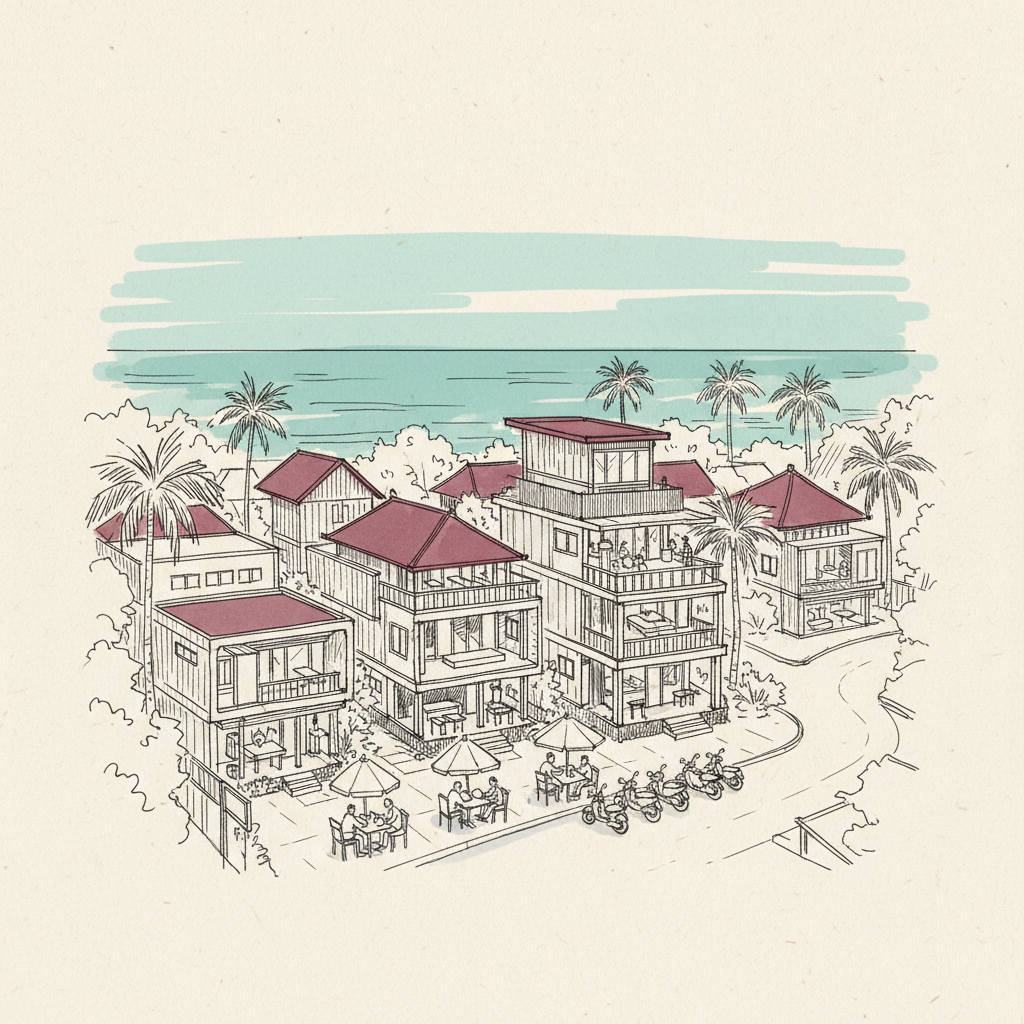
Canggu is a coastal village in southwest Bali that became the defining nomad destination of the 2020-2025 wave, known for its surf breaks, coworking spaces and dense concentration of CAFés hosting laptop workers. In 2026 it is one of the primary patrol areas of Indonesia's 100-person Bali Immigration Task Force. A single 2026 sweep of 15 Canggu business locations resulted in 10 foreigner detentions — the most visible enforcement action in the nomad community that year.
Canggu sits within the operational radius of the Ngurah Rai Immigration Office, which recorded 346 apprehensions in April 2026 alone, exceeding the 331 deportations logged for all of 2025. The task force's standing patrol model, as distinct from the previous episodic-sweep approach, means the risk of encountering an enforcement check has shifted from low-probability to continuous.
The nomad scene in Canggu relies heavily on workers using B211A business-visit visas while performing remote work — a gap between Visa status and activity that the task force is explicitly targeting. The E33G threshold rise to $60,000 per year means many of the Canggu cohort no longer qualify for the formal route.
Is Canggu being targeted by Bali immigration raids in 2026?
Can I work as a digital nomad in Canggu in 2026 without the E33G visa?
Is Canggu still a good place for digital nomads in 2026?
How much does it cost to rent in Canggu for a month?
What visa should I use to live and work remotely from Canggu?


