C4
Filtered copy of the Common Crawl web archive used to train language models.
Developed for the 2019 T5 research programme, C4 turns Common Crawl web records into a filtered text collection. Its cleaning choices determine which material remains available for language-model training.
Last refreshed: 22 October 2026 · Appears in 1 active topic
Timeline for C4
Mentioned in: USA Today Co. sues OpenAI, not Microsoft
Media's AI PivotBackground
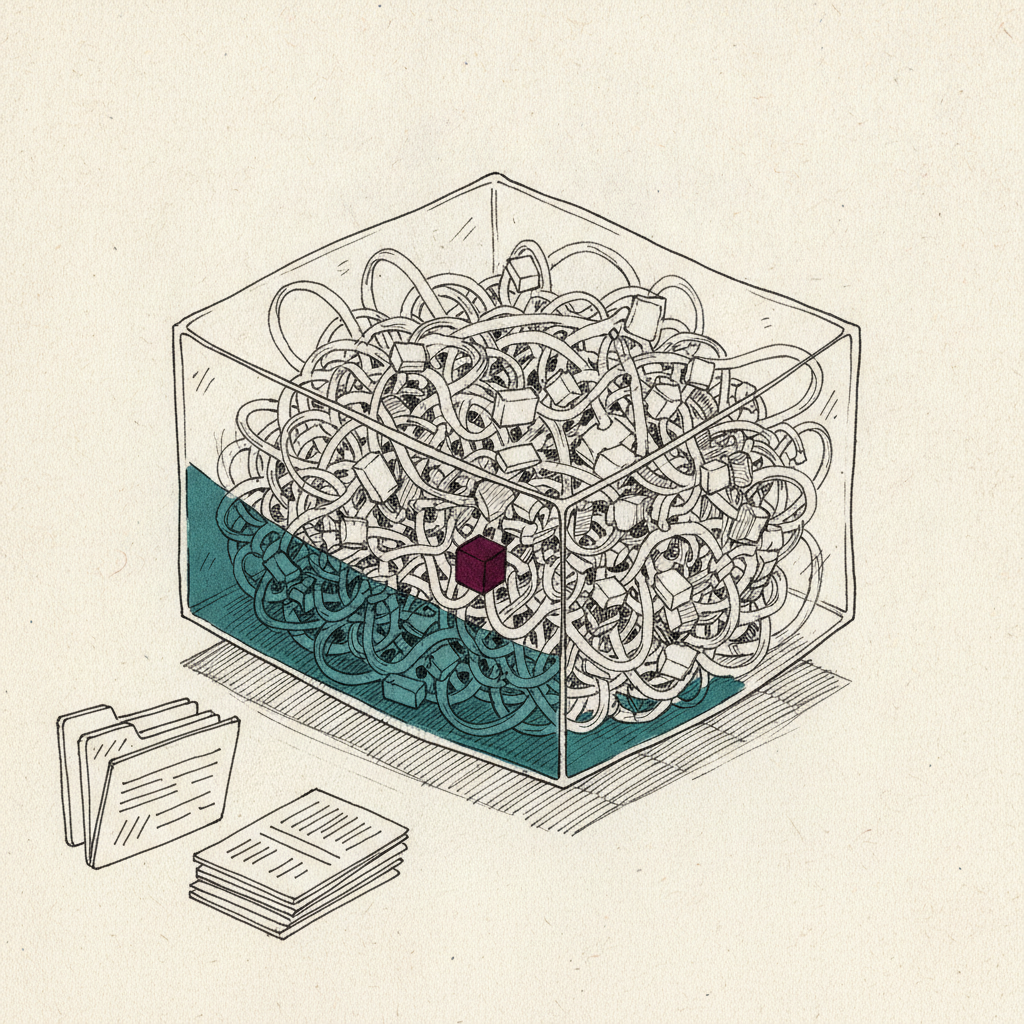
C4 stands for Colossal Clean Crawled Corpus. It is a language-model training dataset derived from Common Crawl’s collection of web pages. The T5 research project introduced it as a large cleaned text corpus. Producing C4 involves processing existing crawl records, including filtering and deduplication, rather than operating a separate crawler. The dataset retains text alongside information such as the source URL and timestamp. [TensorFlow dataset catalogue](https://www.tensorflow.org/datasets/catalog/c4).
The published tools offer several configurations, including an English version and an uncleaned alternative. Those choices matter when researchers compare training collections, because different filters retain different kinds of language and source websites. Research on C4 has examined its provenance and exclusions, showing why a dataset’s name alone does not fully describe the material a model receives. [Dataset analysis](https://arxiv.org/abs/2104.08758).
Where does C4’s training text come from?
What does cleaning mean in the C4 dataset?
Why do researchers study C4’s filtering?








Written with AI from Lowdown's published reporting. Not individually reviewed by an editor. Updated 22 October 2026. Editorial standards.